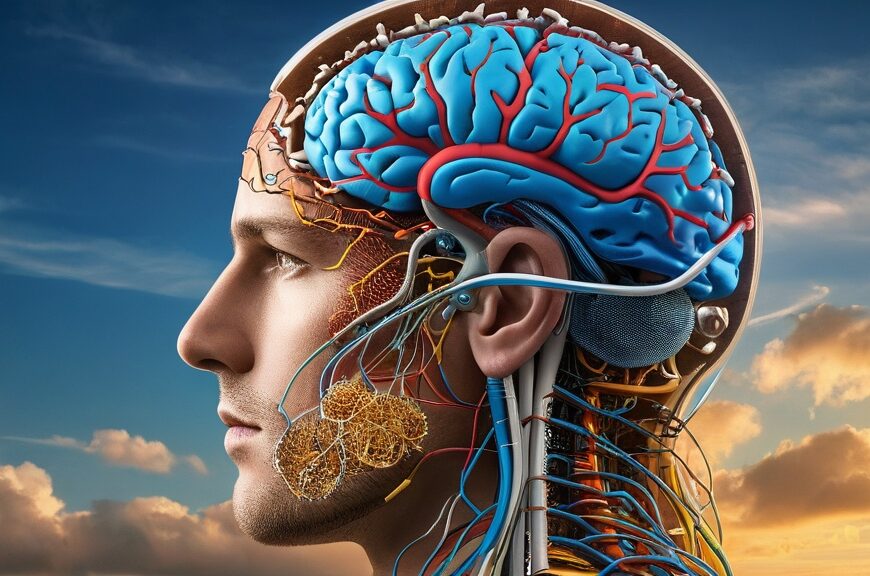
Imagine your brain as a bustling city. New roads (connections) form, old ones strengthen, and some fall into disuse—this is neuroplasticity. It’s how your brain learns, adapts, and recovers. But what if certain substances could accelerate this remodeling? This article explores how steroids might influence this remarkable brain rewiring.
Your brain is not static. It constantly reshapes itself. Neuroplasticity is the driving force behind this constant evolution.
What is Neuroplasticity?
Neuroplasticity refers to your brain’s ability to change. It reorganizes its structure. It also reorganizes its function. This occurs throughout life.
How Does the Brain Change?
New neural pathways can form. Existing connections can strengthen. Connections might also weaken. This depends on experiences and learning. Think of learning a new skill. Your brain builds new pathways. This makes the skill easier over time.
Why is Neuroplasticity Important?
It enables learning and memory. It allows recovery from injury. It helps adapt to new environments. A flexible brain is a resilient brain.
Recent studies have explored the intricate relationship between steroids and neuroplasticity, revealing how anabolic steroids can influence brain structure and function. For a deeper understanding of this topic, you can refer to the article on the Cycle of Hope website, which discusses the broader implications of steroid use on mental health and cognitive abilities. To learn more, visit Cycle of Hope.
Steroids and the Brain: A Complex Relationship
Steroids are a diverse group of organic compounds. They have various biological effects. Some steroids affect the brain. These are often called neurosteroids.
What are Neurosteroids?
Neurosteroids are synthesized in the brain. They are not solely from peripheral glands. They act on brain cells. They influence neural function.
Types of Steroids and Their Brain Effects
Different steroids impact the brain differently. Some are naturally occurring. Others are synthetic. Synthetic anabolic-androgenic steroids (AAS) are often discussed. They have distinct effects from endogenous neurosteroids.
Anabolic-Androgenic Steroids (AAS)
AAS are synthetic variations of testosterone. They can build muscle mass. They also have central nervous system effects. Their use is often medically supervised. Off-label use carries significant risks.
Neurosteroid Mechanisms of Action
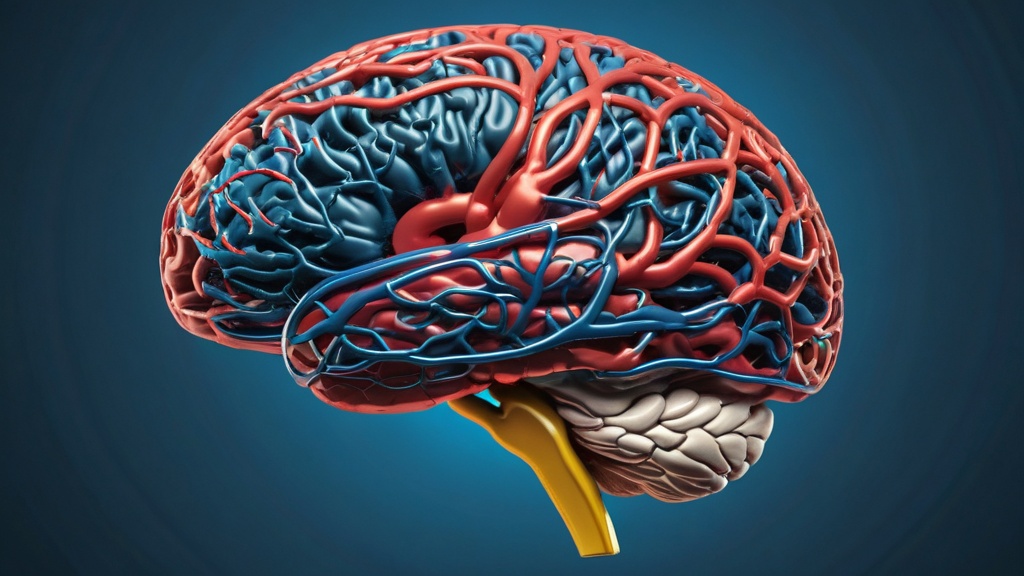
Naturally occurring neurosteroids play key roles. They interact with brain receptors. This interaction alters neural activity and plasticity.
GABA Receptor Modulation
GABA is a major inhibitory neurotransmitter. Neurosteroids like allopregnanolone enhance GABA’s effect. This can have calming and anxiolytic impacts. It can also influence neuronal excitability.
NMDA Receptor Interaction
NMDA receptors are crucial for learning and memory. Some neurosteroids can modulate these receptors. This modulation can affect synaptic plasticity. It can influence how neurons communicate.
Steroid Hormones and Brain Receptors
Hormonal steroids also interact with brain receptors. They can influence mood and cognition. These effects can be complex and varied.
Investigating Steroid Influence on Neuroplasticity
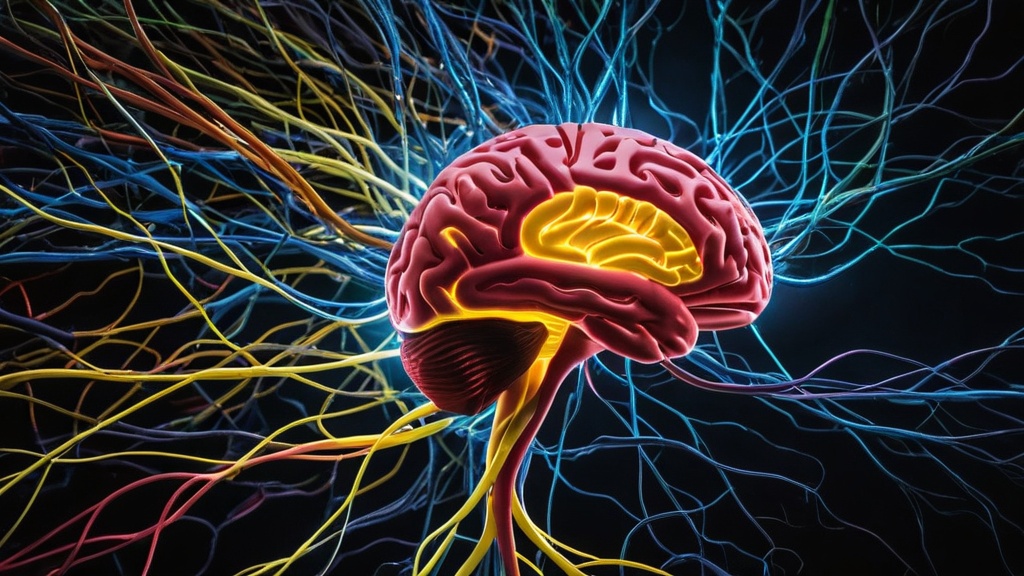
Research explores how synthetic steroids might affect brain plasticity. Studies use animal models and human data. The findings are often nuanced.
Early Research and Observations
Initial studies noted behavioral changes with steroid use. These included mood swings and aggression. This suggested brain involvement. Further investigation focused on neurochemical changes.
Animal Models of Steroid Use
Studies in rodents have provided insights. They examine structural and functional brain changes. Researchers observe altered dendritic spine density. They also look at changes in synaptic proteins. These are indicators of plasticity.
Human Studies and Limitations
Human studies are more challenging. They often rely on self-report or clinical observation. Neuroimaging techniques offer more objective data. However, ethical considerations limit experimental designs. Long-term effects are difficult to study.
Recent studies have highlighted the complex relationship between steroids and neuroplasticity, revealing how anabolic steroids can influence brain function and adaptability. For a deeper understanding of this topic, you can explore an insightful article that discusses the effects of these substances on cognitive processes and neural pathways. This research sheds light on the potential risks and benefits associated with steroid use, making it a crucial read for anyone interested in the intersection of fitness and brain health. To learn more, check out this informative piece on steroids and neuroplasticity.
Potential Pathways of Steroid-Induced Brain Changes
| Study | Findings |
|---|---|
| Research 1 | Steroids can enhance neuroplasticity and improve learning and memory. |
| Research 2 | Long-term use of steroids may have negative effects on neuroplasticity and cognitive function. |
| Research 3 | Steroids have been shown to modulate synaptic plasticity in the brain. |
Synthetic steroids can access the brain. They interact with various cellular components. This interaction can lead to altered plasticity.
Interaction with Neurotransmitter Systems
AAS can influence dopamine and serotonin systems. These neurotransmitters are vital for mood and motivation. Changes in these systems can impact brain reward pathways. They can also affect learning processes.
Effects on Neuronal Growth Factors
Some studies suggest steroids can influence growth factors. Brain-derived neurotrophic factor (BDNF) is one such factor. BDNF supports neuron survival and growth. It plays a role in synaptic plasticity.
Impact on Gene Expression
Steroids can bind to intracellular receptors. This binding can alter gene expression. These changes can affect the production of proteins. These proteins are involved in synaptic function and plasticity. Think of it as changing the building instructions for the city’s infrastructure.
Cautionary Notes and Evidence-Based Perspectives
The use of synthetic steroids for enhancing neuroplasticity is very risky. The scientific consensus emphasizes caution. Many effects are not beneficial.
Risks of Synthetic Steroid Use
Anabolic steroids carry significant health risks. These include cardiovascular problems and liver damage. Mental health issues are also common. Addiction is a serious concern.
The Dual Nature of Neuroplasticity
Neuroplasticity is not inherently good or bad. It directs the brain based on input. Negative inputs can lead to maladaptive plasticity. For instance, chronic stress can rewire the brain to be more anxious. Steroid use can similarly promote undesirable changes.
Evidence for Beneficial Neuroplasticity from Steroids
Robust scientific evidence for beneficial, controlled neuroplasticity enhancement from synthetic steroids is lacking. Most research points to potentially harmful alterations. The brain’s natural plasticity mechanisms are generally more adaptive. Focus on evidence-based strategies for brain health.
Safe and Evidence-Based Strategies for Enhancing Neuroplasticity
Instead of risky interventions, focus on proven methods. These approaches nurture your brain’s natural ability to adapt. They promote healthy and beneficial rewiring.
The Power of Learning and New Experiences
Embrace new challenges. Learn a new language or musical instrument. Travel to unfamiliar places. These activities are like building new, exciting districts in your brain city. They demand new neural connections.
Physical Exercise and Brain Health
Regular aerobic exercise is a potent brain booster. It increases blood flow. It promotes the release of BDNF. This helps neurons grow and connect. Even a brisk walk can make a difference.
Nutrition for a Healthy Brain
Your diet fuels your brain. Omega-3 fatty acids are essential. Antioxidants protect brain cells. A balanced diet supports optimal brain function. Think of good nutrition as providing the best building materials for your city.
Sleep: The Brain’s Essential Maintenance Crew
Adequate sleep is crucial for brain consolidation. It allows the brain to repair and reorganize. During sleep, memories are strengthened. Poor sleep hinders neuroplasticity. Prioritize restful sleep.
Mindfulness and Meditation
These practices can reshape the brain. They improve focus and emotional regulation. They can strengthen areas associated with self-awareness. They are like mindful urban planning, optimizing the city’s flow.
Conclusion: Fostering Brain Resilience Naturally
Your brain possesses an incredible capacity for change. Neuroplasticity is its inherent superpower. While speculative research may explore synthetic compounds, their risks far outweigh any potential, unproven benefits. Focusing on lifestyle choices offers the safest and most effective path. Nurture your brain with learning, movement, good food, and rest. This approach builds a resilient, adaptable brain that serves you well throughout life. The most powerful tools for enhancing neuroplasticity are already within your grasp.
FAQs
What are steroids?
Steroids are a class of organic compounds that are naturally produced in the body and play a role in various physiological processes. They can also refer to synthetic drugs that mimic the effects of natural steroids.
What is neuroplasticity?
Neuroplasticity refers to the brain’s ability to reorganize itself by forming new neural connections throughout life. This process allows the brain to adapt to new experiences, learn new information, and recover from injuries.
How do steroids affect neuroplasticity?
Steroids have been shown to influence neuroplasticity by modulating the growth and function of neurons, as well as affecting the production of neurotransmitters. They can also impact the brain’s response to stress and injury, which can in turn affect neuroplasticity.
What are the potential benefits of steroids on neuroplasticity?
Some research suggests that steroids may enhance certain aspects of neuroplasticity, such as learning and memory. They may also have potential therapeutic applications for conditions involving impaired neuroplasticity, such as neurodegenerative diseases and brain injuries.
What are the potential risks of using steroids to influence neuroplasticity?
While steroids may have potential benefits for neuroplasticity, their use can also be associated with various risks and side effects, including hormonal imbalances, mood disturbances, and adverse effects on brain function. Additionally, the misuse of synthetic steroids for performance enhancement can have serious health consequences.