
Did you know a common medication could silently harm your heart? Many people take it for various reasons. But research shows it may raise your risk of serious heart problems. Let’s explore this connection.
What Are Steroids?
Steroids are powerful medications. Doctors prescribe them to reduce inflammation. They mimic hormones your body naturally produces. These drugs are vital for many conditions.
Types of Steroids
Corticosteroids are the most common type. Prednisone and cortisone are examples. Anabolic steroids are different. Athletes sometimes misuse these. This article focuses on corticosteroids.
How Steroids Affect the Heart
Inflammation and Steroids
Inflammation can damage blood vessels. Steroids reduce this inflammation effectively. This can be life-saving. However, long-term use has consequences.
Cardiovascular Pathways
Steroids can alter cholesterol levels. They may increase blood pressure. These factors stress the heart. They can lead to blockages. This is a significant concern.
Blood Vessel Changes
Steroids can stiffen arteries. This makes it harder for blood to flow. Over time, this contributes to heart disease. It’s like a hose getting less flexible.
Increased Risk of Heart Disease
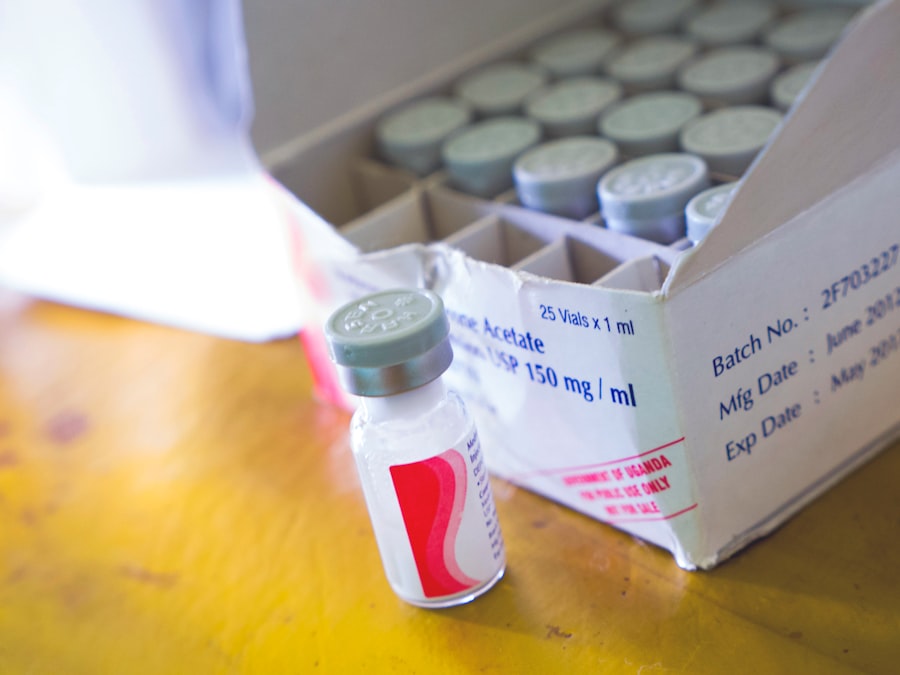
Research Findings
Numerous studies link steroid use to heart issues. A review in “JAMA Cardiology” highlighted this. It showed higher rates of heart attacks. It also indicated increased stroke risk.
Long-Term Usage Matters
The risk grows with longer use. Higher doses also increase the danger. Short-term use is often safe. This is crucial for patients. Doctors weigh benefits against risks.
Dose and Duration
Doctors carefully consider dosage. They also monitor treatment length. This minimizes potential harm. Patients should follow medical advice. Do not self-medicate with steroids.
Specific Heart Conditions

High Blood Pressure (Hypertension)
Steroids can raise blood pressure. This is a major risk factor. It forces the heart to work harder. Uncontrolled hypertension damages blood vessels. It can lead to heart failure.
High Cholesterol (Dyslipidemia)
Steroid use can affect lipid profiles. It may increase LDL or “bad” cholesterol. It can also lower HDL or “good” cholesterol. This promotes plaque buildup in arteries.
Atherosclerosis
This is the hardening of arteries. It happens when plaque builds up. Steroids can accelerate this process. This restricts blood flow to the heart. It can cause chest pain or a heart attack.
Heart Failure
When the heart can’t pump enough blood, it’s heart failure. Steroid-induced hypertension and atherosclerosis contribute. This condition weakens the heart muscle. It affects overall body function.
Arrhythmias
Some studies suggest steroids might affect heart rhythm. Irregular heartbeats can be serious. They can lead to blood clots. These clots can cause strokes.
Managing the Risk
| Study | Findings |
|---|---|
| Journal of the American College of Cardiology | Long-term use of anabolic steroids linked to increased risk of heart disease |
| European Heart Journal | Anabolic steroid use associated with higher levels of bad cholesterol and lower levels of good cholesterol |
| Mayo Clinic Proceedings | Anabolic steroid use may lead to left ventricular hypertrophy, a risk factor for heart disease |
Doctor’s Guidance is Key
Always consult your doctor. Discuss your medical history. Be open about all medications. Your doctor knows your individual needs. They can manage your treatment safely.
Lifestyle Modifications
A healthy lifestyle helps your heart. Eat a balanced diet. Exercise regularly, if advised. Maintain a healthy weight. Avoid smoking. These habits support heart health.
Regular Monitoring
See your doctor for check-ups. They will monitor your blood pressure. They will check your cholesterol levels. This helps detect problems early. Prompt action is vital.
Alternative Treatments
Doctors explore other options. They may use different medications. Sometimes, lifestyle changes suffice. This depends on your specific condition. Not everyone needs steroids.
Patient Education
Understanding your medication is important. Ask your doctor questions. Read information provided. Knowing the risks empowers you. It helps you make informed decisions. Shared decision-making is best.
Gradual Withdrawal
Never stop steroids suddenly. Your doctor will taper the dose. This prevents serious withdrawal symptoms. It also allows your body to adjust. Always follow prescribed instructions.
Protecting Your Heart
Open Communication
Talk to your healthcare provider. Discuss any concerns openly. They can adjust your treatment plan. This ensures your safety. Your well-being is their priority.
Proactive Health Choices
Adopt heart-healthy habits. This lowers your baseline risk. It makes your body more resilient. Small changes can have big impacts. Start today for a healthier future.
Awareness is Power
Know the potential side effects. Be informed about steroid risks. This knowledge helps you work with your doctor. You can advocate for your health. Being aware is the first step.
Research from institutions like the National Institutes of Health (NIH) and published studies in peer-reviewed journals like “The Lancet” and “Circulation” provide robust evidence. Organizations such as the American Heart Association offer extensive resources on cardiovascular health.
Short-term Steroid Use
Doctors often prescribe short courses. This is for acute conditions like asthma flares. The benefits usually outweigh risks. These courses are typically temporary. They aim to quickly reduce inflammation.
Long-term Steroid Use
Chronic conditions may require long-term steroids. Examples include rheumatoid arthritis or lupus. Doctors aim for the lowest effective dose. They also monitor patients closely. This minimizes potential harm.
Steroids and Blood Clots
Some research suggests a link. Steroids might increase clotting risk. This can lead to serious events. A study in “The New England Journal of Medicine” explored this. It warrants careful medical evaluation.
Anabolic Steroids
These are different from corticosteroids. They are often misused. Anabolic steroids carry significant heart risks. They can cause sudden heart attacks. They can also lead to enlarged hearts. This is a critical distinction.
Steroids and Medication Interactions
Discuss all your medications. Steroids can interact with other drugs. This can alter their effectiveness. It can also increase side effects. Your doctor manages these interactions.
Seeking Medical Advice
Ask Your Doctor
Your doctor is your best resource. They understand your health history. They can assess your individual risk. They will guide your treatment plan. Never hesitate to ask questions.
Understand Your Prescription
Read medication labels carefully. Understand the dosage and schedule. Know why you are taking it. This knowledge is empowering. It helps you follow instructions precisely.
Report Side Effects
Tell your doctor about any new symptoms. Unusual fatigue or chest pain needs attention. Do not ignore changes in your health. Prompt reporting can prevent complications. Your doctor can intervene quickly.
This information is for general knowledge. It is not a substitute for professional medical advice. Always consult your doctor for any health concerns. They can provide personalized guidance. Your health is paramount.
FAQs
What are steroids?
Steroids are a type of synthetic drug that mimic the effects of the male hormone testosterone. They are often used to enhance athletic performance and increase muscle mass.
What are the potential risks of using steroids?
Using steroids can lead to a range of potential health risks, including liver damage, high blood pressure, and an increased risk of heart disease.
How do steroids increase the risk of heart disease?
Steroids can increase the risk of heart disease by causing an increase in LDL cholesterol (the “bad” cholesterol), a decrease in HDL cholesterol (the “good” cholesterol), and an increase in blood pressure.
Who is at risk for heart disease from steroid use?
Anyone who uses steroids, particularly in high doses or for long periods of time, is at risk for heart disease. This includes both athletes and non-athletes who use steroids for muscle enhancement.
What are the long-term effects of steroid use on the heart?
Long-term steroid use can lead to the development of atherosclerosis, a condition where plaque builds up in the arteries, increasing the risk of heart attack and stroke. It can also lead to left ventricular hypertrophy, a condition where the heart’s main pumping chamber becomes enlarged, leading to an increased risk of heart failure.