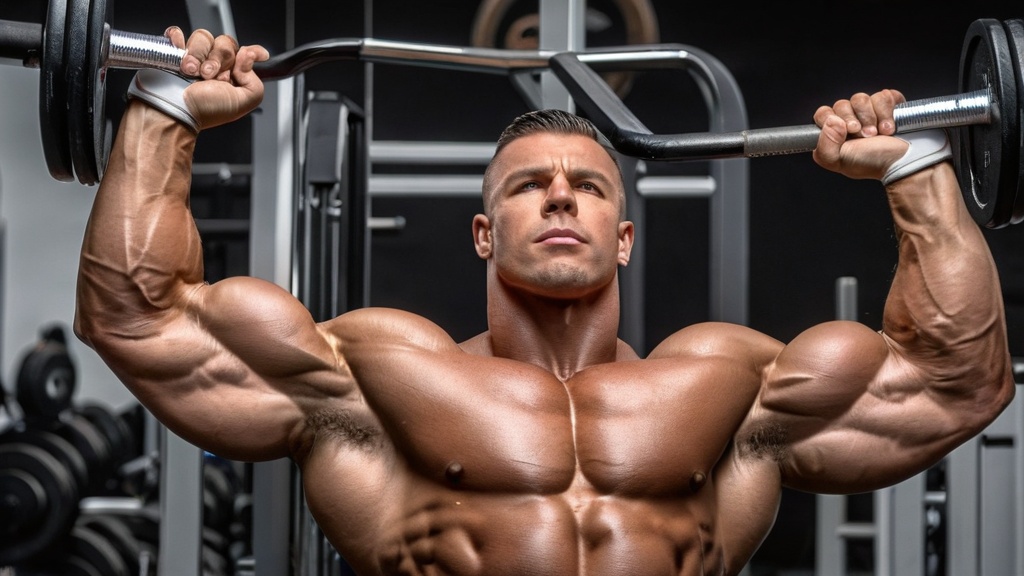
Imagine building your dream physique. You lift weights. You eat right. But what powers your muscle growth? It’s not just effort. Hormones play a starring role. Two key players are testosterone and DHT. They are like fierce competitors. Each fights for muscle-building dominance. Understanding this battle can unlock your potential.
Your body is a symphony. Hormones are the instruments. They conduct your growth and function. Testosterone is a primary male hormone. It’s produced in the testes and adrenal glands. It’s vital for many functions. Muscle development is a major one. It signals muscle cells to grow.
DHT, or dihydrotestosterone, is different. It’s a more potent androgen. This means it binds more strongly to androgen receptors. Your body converts some testosterone into DHT. This conversion happens in specific tissues. It’s a crucial step for certain effects.
Testosterone: The Foundation
Testosterone is your muscle-building bedrock. It acts like a master conductor. It tells muscle protein to build. Think of it as the construction manager. It directs the building of new muscle tissue. Higher testosterone levels can support more growth.
Testosterone influences protein synthesis. This is the process of building muscle. It also helps reduce muscle breakdown. This dual action is key for gains. It’s the raw material for muscle.
DHT: The Refined Amplifier
DHT is a supercharged version of testosterone. It’s like a turbocharger for muscle growth. In certain tissues, DHT is more powerful. It binds to androgen receptors with greater affinity. This means it can have a stronger effect.
DHT is particularly important for development. It plays a role in forming male characteristics. In muscle tissue, its impact is significant. It can amplify the signals testosterone sends. This can lead to more pronounced muscle gains.
The Conversion Process
Your body has an enzyme called 5-alpha reductase. This enzyme converts testosterone to DHT. This happens in areas like the prostate and hair follicles. It also occurs in muscle tissue. The amount of DHT produced varies. It depends on your genetics and other factors.
This conversion is a fine-tuning mechanism. It allows your body to use testosterone’s influence. It may tailor its effects to specific needs. It’s a precise biological pathway.
In the ongoing debate about the roles of testosterone and dihydrotestosterone (DHT) in muscle development, a related article can provide deeper insights into how these hormones influence muscle growth and overall physical performance. For those interested in understanding the nuances of this topic, you can explore more in the article available at Cycle of Hope, which discusses the implications of hormone levels on athletic training and recovery.
Muscle Growth: The Teamwork
Muscle growth, or hypertrophy, is complex. It requires signals and building blocks. Testosterone initiates the growth cycle. It tells muscle cells to get bigger. It’s like planting the seeds for growth.
DHT can then amplify these signals. It’s like adding premium fertilizer to those seeds. It can make the growth process more efficient. It’s not a replacement for testosterone. It’s a partner in the process.
Anabolic Effects
Testosterone’s anabolic effects are well-known. It increases muscle protein synthesis. This is how muscles repair and grow. It’s essential for rebuilding after exercise. It’s the primary driver of muscle mass.
DHT also contributes to anabolic effects. Its stronger binding to receptors can enhance this. It is considered a more potent androgen. This potency translates to potential for increased muscle.
Different Roles in Different Tissues
The conversion to DHT isn’t universal. It’s tissue-specific. In muscle, DHT can be highly impactful. In other areas, like the scalp, it has different effects. It’s often linked to hair loss in men. This demonstrates its varied roles.
Understanding this distinction is important. It prevents oversimplification. Not all androgens behave the same way. Their reach extends to different biological systems.
The Scientific Evidence
Numerous studies highlight testosterone’s role. Research shows its correlation with muscle mass. Athletes with higher testosterone often have more muscle. This evidence is extensive.
Studies on DHT also support its impact. It’s shown to be a powerful androgen. Its effects on muscle growth have been observed. Research continues to explore this interplay. Scientific journals are full of this data.
Testosterone and Muscle Mass Studies
Meta-analyses confirm testosterone’s anabolic power. They review many small studies together. This provides a strong overview. Higher circulating testosterone relates to greater lean body mass. This is a consistent finding.
Clinical trials often show muscle increases. They involve testosterone replacement therapy. Participants gain significant muscle. This therapy targets testosterone levels. It directly demonstrates its effect.
DHT’s Potency Research
Research on DHT often focuses on its binding affinity. It binds more strongly to androgen receptors. This is a key scientific observation. This strong binding suggests greater biological activity.
Studies in labs show DHT’s effects. It can stimulate muscle cells more than testosterone. This is observed in cell cultures and animal models. It points to its amplified influence.
Androgen Receptor Binding
The androgen receptor is like a lock. Testosterone and DHT are like keys. DHT is a precision-engineered key. It fits the lock more snugly. This tighter fit allows for a stronger signal.
This enhanced binding is a scientific fact. It explains DHT’s increased potency. It’s a fundamental aspect of their action. This mechanism is well-documented.
Factors Influencing Hormone Levels
Your genetics play a role. They influence how much testosterone you produce. They also affect the enzyme that converts it. Some people naturally have more 5-alpha reductase. This leads to higher DHT.
Lifestyle choices matter greatly. Diet, sleep, and exercise impact hormones. Stress can also suppress testosterone. These factors affect the entire hormonal orchestra.
Genetics and Hormone Production
Your DNA sets your baseline. It dictates your hormonal potential. Some individuals are genetically predisposed to higher androgen levels. This can influence muscle-building capacity. It’s a significant starting point.
Variations in enzyme genes are common. These genes control hormone conversion. This means DHT production can differ significantly. It’s a complex genetic interplay.
Lifestyle’s Hormonal Impact
Exercise, especially resistance training, boosts testosterone. Strength training is a powerful stimulus. It signals your body to produce more. Consistent workouts are key.
Adequate sleep is crucial for hormone regulation. Lack of sleep disrupts testosterone production. Aim for 7-9 hours nightly. Healthy eating also supports hormonal balance. A balanced diet fuels your body.
Diet and Hormonal Health
Nutrient-dense foods are essential. They provide building blocks for hormones. Healthy fats are particularly important. They are precursors to steroid hormones. Think avocados and nuts.
Avoid processed foods and excessive sugar. They can negatively impact hormonal balance. Stable blood sugar supports better hormone function. It’s a vital part of the equation.
In exploring the relationship between testosterone and DHT in muscle development, it’s interesting to consider how these hormones influence muscle growth and strength. A related article discusses the intricate balance between these hormones and their effects on physical performance, which can be found here: testosterone vs DHT. Understanding this dynamic can provide valuable insights for athletes and fitness enthusiasts looking to optimize their training outcomes.
Actionable Tips for Muscle Growth Support
| Metric | Testosterone | Dihydrotestosterone (DHT) |
|---|---|---|
| Primary Role in Muscle Growth | Promotes muscle protein synthesis and hypertrophy | Contributes to muscle strength but less anabolic effect than testosterone |
| Androgen Receptor Affinity | Moderate affinity | High affinity (5-10 times stronger than testosterone) |
| Conversion | Converted to DHT by 5-alpha reductase enzyme | Active metabolite of testosterone |
| Effect on Muscle Mass | Significant increase in muscle mass and size | Supports muscle strength, less impact on size |
| Effect on Fat Distribution | Helps reduce fat mass | Minimal direct effect on fat distribution |
| Impact on Hair Follicles | Minimal effect | Major contributor to hair follicle miniaturization and hair loss |
| Circulating Levels in Males | Higher concentration in bloodstream | Lower concentration but more potent locally in tissues |
| Role in Libido | Strong influence on libido and sexual function | Also influences libido, but less studied |
Focus on consistent resistance training. This is the primary stimulus. Aim for progressive overload. Gradually increase weight or reps. Challenge your muscles.
Prioritize protein intake. Muscle is built from protein. Include a lean protein source in each meal. Examples are chicken, fish, or beans. Aim for about 0.7 grams per pound of body weight.
Smart Training Strategies
Vary your training routine. This prevents plateaus. Include compound exercises. Squats, deadlifts, and presses work multiple muscles. They are highly effective.
Listen to your body. Allow for rest and recovery. Overtraining can hinder progress. Muscle grows during rest. Don’t skip rest days.
Nutritional Support for Hormones
Ensure sufficient intake of healthy fats. They are hormone building blocks. Include sources like olive oil, nuts, and fatty fish. They are beneficial for overall health.
Adequate zinc and vitamin D are important. These nutrients are linked to testosterone production. Find them in oysters, red meat, and sunlight. Consult a professional for supplements.
Protein Power
Distribute protein intake throughout the day. This optimizes muscle protein synthesis. Have a protein-rich meal after training. This aids recovery.
Consider diverse protein sources. This ensures you get a full spectrum of amino acids. Plant-based options are also excellent. Lentils and tofu are good choices.
In exploring the relationship between testosterone and DHT in muscle development, it’s interesting to consider how these hormones interact within the body. A related article discusses the various roles that testosterone plays in muscle growth and how its conversion to DHT can influence this process. For more insights on this topic, you can read the full article here. Understanding these dynamics can help individuals make informed decisions about their fitness and health goals.
Conclusion: A Balanced Approach
Testosterone and DHT are both important. They work together for muscle growth. Testosterone lays the foundation. DHT can amplify its effects. It’s a partnership, not a rivalry.
Focus on healthy lifestyle habits. This supports your natural hormone production. Train intelligently and eat wisely. This approach promotes sustainable muscle gains. You are the architect of your body.
FAQs
What is the difference between testosterone and DHT?
Testosterone is the primary male sex hormone responsible for the development of male characteristics and muscle growth. Dihydrotestosterone (DHT) is a more potent androgen derived from testosterone through the action of the enzyme 5-alpha reductase. While both hormones influence muscle development, DHT has a stronger androgenic effect but is present in lower concentrations.
How do testosterone and DHT affect muscle growth?
Testosterone promotes muscle growth by increasing protein synthesis and muscle cell regeneration. DHT also contributes to muscle development but is more involved in androgenic effects such as hair growth and prostate development. Testosterone is generally considered more influential in overall muscle mass increase.
Can DHT convert back to testosterone in the body?
No, DHT cannot convert back to testosterone. The conversion from testosterone to DHT is a one-way process facilitated by the enzyme 5-alpha reductase. Once testosterone is converted to DHT, it remains as DHT and exerts its effects independently.
Does DHT have any negative effects on muscle or health?
High levels of DHT are associated with certain health issues such as hair loss (male pattern baldness) and prostate enlargement. However, its direct negative impact on muscle growth is minimal. Balancing hormone levels is important to avoid side effects while maintaining muscle health.
Is testosterone or DHT more important for bodybuilding?
Testosterone is generally more important for bodybuilding because it directly stimulates muscle protein synthesis and growth. DHT plays a secondary role and is more related to androgenic effects rather than muscle hypertrophy. Bodybuilders often focus on optimizing testosterone levels for muscle gains.