You’ve heard of steroids. Maybe you think of athletes or muscle growth. But steroids are much more than that. They are vital molecules in your body. They even influence your cells’ powerhouses. Let’s explore this fascinating connection simply.
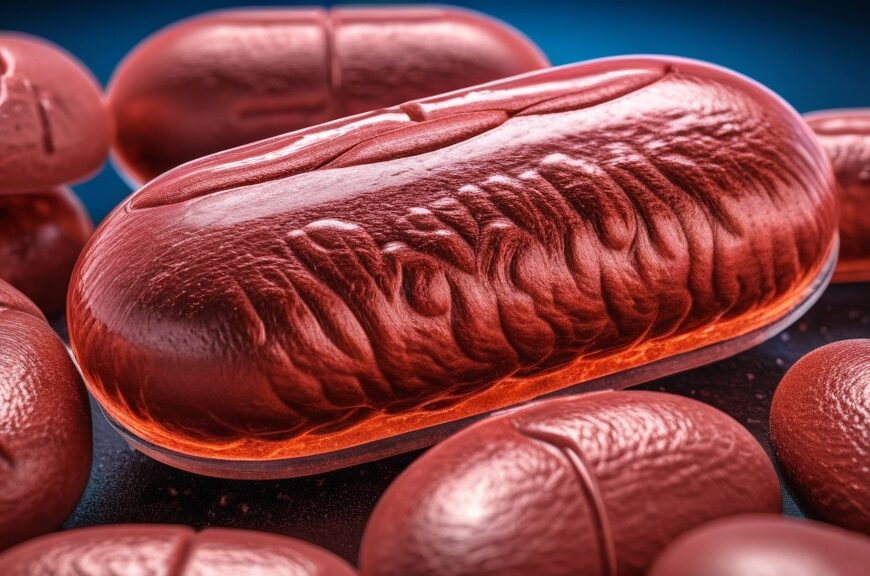
Imagine your body as a bustling city. Each cell is a building. Mitochondria are the power generators within each building. They create ATP, your cell’s energy currency. Without ATP, cells cannot function. They cannot repair, grow, or perform their many tasks.
Mitochondria are tiny, but crucial. They have their own DNA. This shows their ancient origins. Their health directly impacts your overall vitality. When mitochondria falter, energy levels drop. This can affect everything from muscle strength to brain function.
Think of a car running low on fuel. It sputters and struggles. Your cells do too without enough ATP. Keeping your mitochondria healthy is key. It supports every system in your body.
Recent studies have highlighted the intricate relationship between steroids and mitochondrial function, revealing how anabolic steroids can influence energy metabolism and cellular health. For a deeper understanding of this topic, you can explore the article on the effects of steroids on mitochondrial dynamics and their implications for muscle growth and recovery. To read more, visit this article.
Steroids: More Than Just Muscle Builders
The word “steroid” often brings specific images to mind. However, steroids are a broad class of organic compounds. Your body naturally produces many of them. Cholesterol, for example, is a vital steroid. It is a building block for other important steroids.
These include sex hormones like testosterone and estrogen. They also include corticosteroids such as cortisol. Cortisol manages stress and inflammation. You have steroid receptors within your cells. This means steroids can directly influence cell activities.
Steroids act like messengers. They carry instructions to specific parts of your cells. Their roles are diverse and critical. They regulate metabolism. They influence immune responses. They even affect mood and cognition.
Classes of Steroids and Their Roles
Natural steroids come in several types. Each has unique functions.
Glucocorticoids: Stress and Inflammation Regulators
Cortisol is a prime example of a glucocorticoid. It helps your body respond to stress. It reduces inflammation. It also helps regulate blood sugar. Doctors prescribe synthetic glucocorticoids. They treat conditions like asthma and arthritis.
Imagine a fire alarm going off. Cortisol is like the building manager. It helps put out the fire (inflammation). It also prepares the building for stress.
Mineralocorticoids: Balancing Salt and Water
Aldosterone is a key mineralocorticoid. It helps control blood pressure. It manages salt and water balance in your kidneys. This is crucial for keeping your body’s fluid levels stable.
Think of it as a dam manager. Aldosterone ensures the right amount of water flows in and out. It keeps your body’s fluid levels just right.
Sex Hormones: Development and Reproduction
Testosterone and estrogen are well-known sex hormones. They drive sexual development. They regulate fertility. But they do more than that. They influence bone density. They affect muscle mass. They even impact brain function.
Consider them as conductors of an orchestra. They guide many different instruments. Each influences overall body harmony.
The Intimate Link: Steroids and Mitochondrial Function

This is where it gets really interesting. Steroids don’t just float around your body. They actively engage with your mitochondria. They can enter mitochondria. They can bind to receptors there. This direct interaction deeply impacts mitochondrial performance.
Imagine steroids as highly specific keys. Mitochondria have many locks. Specific keys unlock specific functions. This can boost energy production. It can improve mitochondrial efficiency. It can even protect mitochondria from damage.
This connection highlights steroids’ versatility. They are not just signaling molecules from outside the cell. They are also active players within your cellular powerhouses.
Steroid Receptors Within Mitochondria
It was once thought steroid receptors only existed in the cell nucleus. We now know they are also inside mitochondria. This means steroids can give instructions directly to these organelles. This allows for quick, localized responses.
For example, estrogen receptors exist in mitochondria. Estrogen can directly influence mitochondrial enzyme activity. This leads to better energy production. This is especially true in tissues like the heart and brain.
Think of it as direct communication. The main office (nucleus) gives general orders. The on-site manager (steroid in mitochondria) gives specific, real-time instructions.
Steroid Synthesis Within Mitochondria
Some steroids are actually made inside mitochondria. For instance, the first step in all steroid hormone synthesis occurs here. Cholesterol enters mitochondria. Specific enzymes convert it into pregnenolone. Pregnenolone is the precursor for all other steroid hormones.
This shows how vital mitochondria are. They are not just energy producers. They are also key metabolic hubs. They initiate the production of essential regulatory molecules.
Consider them as both power plant and raw material processing center. They take in fuel (cholesterol). They transform it into valuable products (pregnenolone).
Evidence: How Steroids Impact Mitochondria
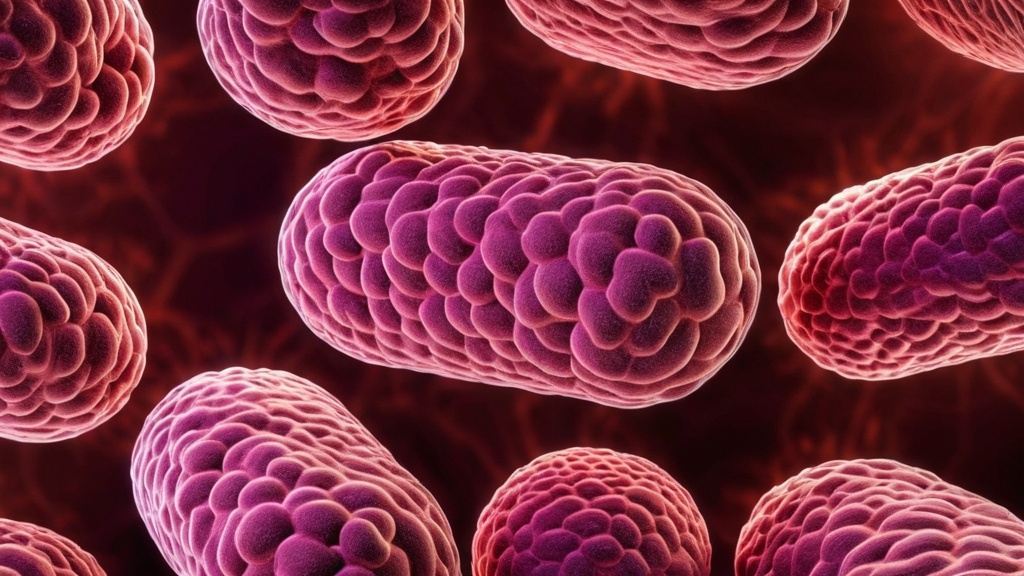
Research continually uncovers new facets of this relationship. Studies show steroids affect different aspects of mitochondrial health.
Protecting Mitochondria from Damage
Steroids, particularly sex hormones, can act as antioxidants. They can shield mitochondria from oxidative stress. Oxidative stress is like rust on machinery. It damages cell components. Estradiol, a form of estrogen, has shown protective effects. It protects mitochondrial membranes. This helps them function optimally.
Imagine a shield guarding a delicate engine part. Steroids can provide this protection. They help keep your mitochondrial engines running smoothly.
Boosting Energy Production
Some steroids can increase the activity of mitochondrial enzymes. These enzymes are crucial for ATP synthesis. Testosterone, for example, can enhance mitochondrial respiration. This means mitochondria produce more energy. This contributes to increased muscle strength and endurance.
Think of it as fine-tuning an engine. Steroids can optimize certain engine parts. This allows for higher power output.
Influencing Mitochondrial Biogenesis
Mitochondrial biogenesis is the process of making new mitochondria. It’s like expanding your city’s power grid. Some steroids can promote this process. This means your cells can create more power plants. This improves overall energy capacity.
For instance, certain anabolic steroids can induce mitochondrial biogenesis in muscle cells. This contributes to their muscle-building effects. More power plants mean more energy for muscle repair and growth.
Recent studies have highlighted the intricate relationship between steroids and mitochondrial function, shedding light on how anabolic steroids can influence cellular energy production. For those interested in exploring this topic further, a related article discusses the impact of steroids on mitochondrial dynamics and their potential implications for muscle growth and recovery. You can read more about this fascinating connection in the article linked here: steroids and mitochondria. Understanding these interactions is crucial for athletes and fitness enthusiasts alike.
Actionable Tips for Mitochondrial Health
| Metric | Description | Value/Range | Unit | Notes |
|---|---|---|---|---|
| Cholesterol Transport Rate | Rate of cholesterol transport into mitochondria for steroidogenesis | 5-20 | nmol/min/mg protein | Varies by tissue type and hormonal stimulation |
| Cytochrome P450scc Activity | Enzymatic activity converting cholesterol to pregnenolone | 10-50 | pmol/min/mg mitochondrial protein | Key step in steroid biosynthesis |
| Mitochondrial Membrane Potential | Indicator of mitochondrial health and function during steroidogenesis | 120-150 | mV (millivolts) | Measured using fluorescent dyes |
| ATP Production Rate | Energy supply for steroidogenic processes | 1.5-3.0 | nmol ATP/min/mg mitochondrial protein | Supports enzymatic reactions in mitochondria |
| Reactive Oxygen Species (ROS) Level | Byproduct of mitochondrial steroid metabolism | 0.1-0.5 | nmol/min/mg protein | Excess ROS can damage mitochondria |
You can support your mitochondrial health. These tips are safe and evidence-based. They do not involve taking steroids. They focus on lifestyle choices.
Embrace Regular Exercise
Physical activity is a powerful mitochondrial booster. Exercise stresses your muscles. Muscles then adapt by creating more mitochondria. This makes your body more efficient at producing energy.
Aim for a mix of aerobic and strength training. Walk briskly, jog, swim, or cycle. Lift weights or use resistance bands. Even short bursts help. A 30-minute walk daily makes a difference.
Think of it as training your power plants. The more you use them, the stronger and more numerous they become.
Prioritize a Nutrient-Rich Diet
Your mitochondria need specific nutrients to function. A balanced diet provides these. Focus on whole, unprocessed foods. Include plenty of fruits, vegetables, and lean proteins.
Antioxidant-Rich Foods
Antioxidants protect mitochondria. Berries, dark leafy greens, and nuts are good sources. Vitamin C, E, and selenium are key antioxidants.
Imagine them as clean-up crews. They clear away damaging byproducts. This keeps your power plants clean and efficient.
B Vitamins
B vitamins are essential for energy metabolism. They help convert food into ATP. Whole grains, legumes, and eggs are rich in B vitamins.
Consider them co-pilots for your energy production. They help guide the process smoothly.
Omega-3 Fatty Acids
These healthy fats support mitochondrial membrane health. Fatty fish like salmon and tuna are excellent sources. Chia seeds and walnuts also contain omega-3s.
They are like the oil for your engine. They keep the moving parts lubricated and functional.
Manage Stress Effectively
Chronic stress harms mitochondria. It increases oxidative stress. It also leads to chronic inflammation. Find healthy ways to cope.
Practice mindfulness or meditation. Spend time in nature. Engage in hobbies you enjoy. Deep breathing exercises can calm your nervous system.
Stress is like overheating your power plants. Managing it keeps the temperature stable. This prevents damage.
Ensure Adequate Sleep
Sleep is when your body repairs itself. This includes your mitochondria. Lack of sleep impairs mitochondrial function. Aim for 7-9 hours of quality sleep per night.
Establish a consistent sleep schedule. Create a relaxing bedtime routine. Limit screen time before bed.
Think of it as scheduled maintenance for your power plants. They need downtime to repair and recharge.
Consider Intermittent Fasting (with caution)
Some research suggests intermittent fasting can improve mitochondrial health. It can induce autophagy, a process where cells “clean out” old components. This includes damaged mitochondria. However, consult your doctor first. It may not be suitable for everyone.
This is like a spring cleaning for your power plants. It removes old, inefficient parts. It makes room for new, healthy ones.
Recent studies have shed light on the intricate relationship between steroids and mitochondrial function, revealing how anabolic steroids can influence energy production within cells. For a deeper understanding of this topic, you can explore an insightful article that discusses the effects of steroids on cellular metabolism and mitochondrial health. This information can be found in detail in the article linked here: Cycle of Hope. Understanding these connections is crucial for those looking to comprehend the broader implications of steroid use on overall cellular performance.
The Future of Steroids and Mitochondrial Health
Research continues to deepen our understanding. Scientists are exploring new steroid compounds. They are investigating their targeted effects on mitochondria. This could lead to novel therapies. These therapies might treat diseases linked to mitochondrial dysfunction.
Conditions like neurodegenerative diseases, heart failure, and certain metabolic disorders all involve mitochondrial issues. Understanding steroid-mitochondria interactions could unlock new treatments.
Imagine a future where doctors can specifically target and enhance mitochondrial function. This could revolutionize medicine. It could improve quality of life for many. This intricate relationship between steroids and mitochondria holds vast promise.
Dispelling Misconceptions
It’s common to misunderstand steroids. Anabolic steroids, often abused for muscle growth, are synthetic. They have serious side effects. The steroids discussed here are largely natural and vital to your body’s function.
This article focuses on the natural, beneficial roles. It highlights how these molecules interact with your cellular powerhouses. It is not about promoting performance-enhancing drugs.
Always remember the difference. Natural steroids are your body’s essential messengers. Synthetic anabolic steroids carry significant health risks. Educating yourself is key.
You now understand steroids differently. They are not just about large muscles. They are complex, vital molecules. They work intimately with your mitochondria. This partnership is crucial for your health. By supporting your mitochondria, you support your entire body. So, empower your inner power plants starting today.
FAQs
What role do steroids play in mitochondrial function?
Steroids can influence mitochondrial function by modulating energy production, regulating mitochondrial biogenesis, and affecting the expression of genes involved in mitochondrial metabolism. Certain steroids, such as glucocorticoids and sex hormones, impact mitochondrial activity and efficiency.
How do mitochondria interact with steroid hormones?
Mitochondria are involved in the biosynthesis of steroid hormones, as key enzymes required for steroidogenesis are located in the mitochondrial membranes. Additionally, steroid hormones can bind to mitochondrial receptors, influencing mitochondrial gene expression and function.
Can steroids affect mitochondrial health and dynamics?
Yes, steroids can affect mitochondrial health by altering mitochondrial membrane potential, reactive oxygen species (ROS) production, and mitochondrial dynamics such as fission and fusion. These changes can impact cellular energy metabolism and apoptosis.
Are mitochondria involved in the synthesis of all steroids?
Mitochondria are essential for the synthesis of many steroid hormones, particularly the initial steps of converting cholesterol into pregnenolone, the precursor for all steroid hormones. This process occurs in the inner mitochondrial membrane.
Do synthetic steroids impact mitochondrial function differently than natural steroids?
Synthetic steroids may have different effects on mitochondrial function compared to natural steroids, depending on their structure and receptor affinity. Some synthetic steroids can disrupt mitochondrial processes or induce oxidative stress, while others may mimic natural steroid effects on mitochondria.