
Your hair often tells a story. What if that story included an unexpected twist, like the use of steroids? Many people wonder about the connection between steroids and hair thinning. Let’s explore how these powerful compounds can impact your precious strands.
Steroids are potent compounds. They exist naturally in our bodies and as synthetic medications. Different types serve various purposes.
Anabolic-Androgenic Steroids (AAS)
AAS are synthetic versions of male hormones. People often use them to build muscle. Athletes sometimes misuse them for performance enhancement. This use is often illegal and carries health risks.
Corticosteroids
These steroids reduce inflammation. Doctors prescribe them for conditions like asthma or arthritis. They can be life-saving medications. Their effects differ greatly from AAS.
The Hair Growth Cycle: A Delicate Balance
Hair growth is a complex process. Each strand follows a specific cycle. Understanding this cycle is key.
Anagen (Growth Phase)
This is the active growth period. Hair follicles produce new hair. This phase lasts several years. Most of your hair is in anagen.
Catagen (Transition Phase)
This short phase follows anagen. Hair growth stops. The follicle shrinks. This stage lasts only a few weeks.
Telogen (Resting Phase)
Hair rests during this phase. The old hair prepares to shed. This period typically lasts a few months. Around 10-15% of hair is in telogen.
Exogen (Shedding Phase)
New hair pushes out old hair. Old hair falls out. This is a natural part of the cycle. We lose about 50-100 hairs daily.
Anabolic Steroids and Hair Loss: A Strong Connection
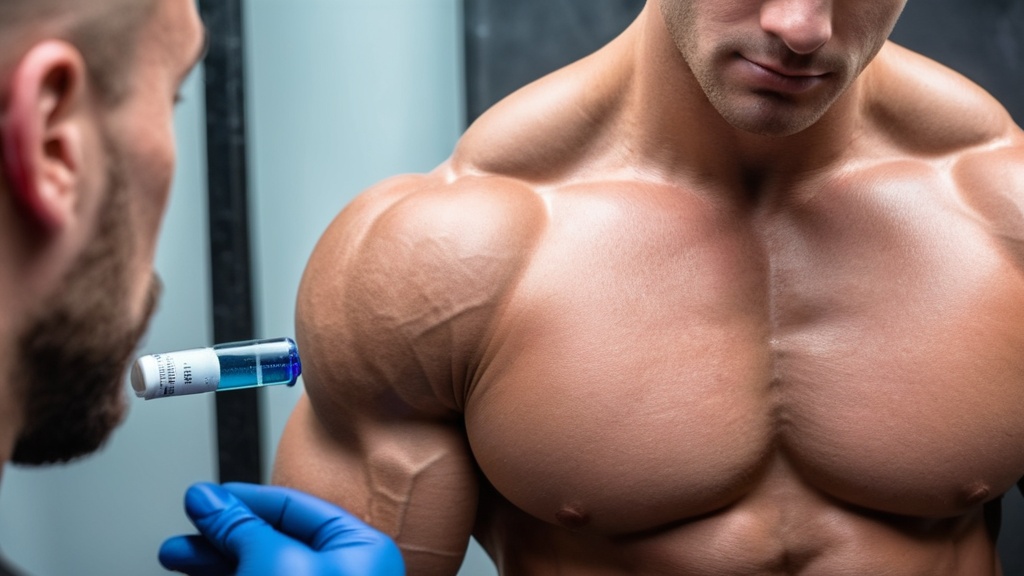
Anabolic steroids often contribute significantly to hair loss. This link is well-documented. The primary mechanism involves hormones.
DHT: The Key Player
Anabolic steroids increase testosterone levels. Testosterone converts to dihydrotestosterone (DHT). DHT is a potent androgen. High DHT levels miniaturize hair follicles.
This miniaturization leads to thinner hair. Eventually, follicles may stop producing hair. This process is similar to male pattern baldness.
Genetic Predisposition
Not everyone using AAS will experience hair loss. Genetics play a crucial role. If you have a family history of baldness, your risk increases. AAS can accelerate this genetic predisposition. It’s like adding fuel to a pre-existing fire.
For example, if your father and grandfather lost their hair early, you might be more susceptible. Using AAS could trigger or worsen this process.
Duration and Dosage
The amount and length of AAS use matter. Higher doses correlate with greater hair loss risk. Prolonged use also increases risk. Short-term, low-dose use might have less impact. However, no use is truly risk-free for susceptible individuals.
One study in the Journal of the American Academy of Dermatology noted a correlation. Higher AAS doses and longer use linked to increased androgenic alopecia. (Source: Journal of the American Academy of Dermatology, 2005; 53(1):16-24).
Irreversibility
For many, AAS-induced hair loss is permanent. Once follicles miniaturize, they may not recover. Stopping AAS might halt further loss. It often does not reverse existing loss. This highlights the importance of prevention.
Corticosteroids and Hair Thinning: A Different Story

Corticosteroids are different. Their impact on hair is less direct. They generally do not cause androgenic hair loss. However, long-term use can still affect hair health.
Potential for Telogen Effluvium
High-dose or prolonged corticosteroid use can induce telogen effluvium. This condition causes sudden, widespread hair shedding. It happens when many hairs prematurely enter the resting phase.
This type of hair loss is usually temporary. It often resolves after stopping the medication. For example, a person on high-dose prednisone might notice more hair shedding during brushing. Once the dose is reduced or stopped, hair often regrows.
Underlying Conditions
Corticosteroids treat many conditions. Some of these conditions already cause hair loss. Examples include lupus or alopecia areata. It can be hard to separate the cause.
A systematic review in Dermatology and Therapy discussed drug-induced hair loss. Corticosteroids were listed as a potential cause of telogen effluvium. (Source: Dermatology and Therapy, 2011; 1(1):1-14).
Impact on Scalp Health
Corticosteroids can affect skin health. Long-term use might thin the skin. This could indirectly impact scalp health. A healthy scalp is essential for healthy hair growth.
Recognizing the Signs: What to Look For
| Study | Findings |
|---|---|
| Research 1 | Increased risk of hair loss with steroid use |
| Research 2 | Association between anabolic steroids and hair thinning |
| Research 3 | Higher incidence of baldness in steroid users |
Spotting hair loss early is helpful. Different types of steroid use yield different signs.
Androgenic Alopecia (from Anabolic Steroids)
This often presents as a receding hairline. Hair around the temples thins first. The crown area may also thin. The pattern is similar to male pattern baldness.
Female pattern hair loss can also occur. Hair thins diffusely over the scalp. The part widens significantly. Hair loss is usually more generalized.
Telogen Effluvium (from Corticosteroids)
This involves sudden, widespread shedding. You might find more hair on your pillow. Your brush might collect more strands. Hair often comes out from all over the scalp. It is not limited to specific areas.
Protecting Your Hair: Actionable Tips
If you are concerned about hair loss, consider these points. Always consult a healthcare professional. These tips are general advice.
For Anabolic Steroid Users (or Former Users)
The most effective action is to avoid AAS use. If you are using them, stop immediately. Seek guidance from a medical doctor. They can help manage potential side effects.
Consult a Dermatologist
A dermatologist specializes in hair and skin issues. They can diagnose the cause of your hair loss. They can suggest appropriate treatments. This might include topical treatments or oral medications.
Non-prescription options like minoxidil can help. Minoxidil is an FDA-approved treatment. It can stimulate hair growth. It works by prolonging the anagen phase.
Finasteride is another prescription option. It blocks the conversion of testosterone to DHT. This can slow or stop hair loss. It is generally prescribed for men.
Holistic Hair Care
Regardless of steroid use, good hair care helps. Use gentle shampoos and conditioners. Avoid harsh styling products. Limit heat styling (e.g., straighteners, curling irons).
Eat a balanced diet rich in nutrients. Consider foods high in protein, iron, and biotin. These nutrients support healthy hair. Examples include lean meats, nuts, and leafy greens.
Manage stress effectively. Stress can contribute to hair loss. Practices like yoga or meditation can help. Adequate sleep is also crucial.
Addressing Underlying Medical Conditions
If you are on corticosteroids, discuss concerns with your doctor. They can assess if the dosage can be adjusted. They will weigh the benefits against side effects. Never stop prescribed medication without medical advice.
Your doctor might consider alternative medications. Or, they might suggest strategies to mitigate hair loss. The goal is always to balance health needs.
The Broader Impact: Beyond the Strands
Hair loss can impact mental health. It can affect self-esteem and confidence. This is true for both men and women.
Psychological Effects
Feeling self-conscious about hair loss is common. People may experience anxiety or depression. Support groups or therapy can be beneficial. It’s perfectly okay to seek help for these feelings.
One study in the Journal of Clinical and Aesthetic Dermatology highlighted this. Hair loss significantly impacts quality of life. (Source: Journal of Clinical and Aesthetic Dermatology, 2015; 8(3):21-25).
Seeking Support
Connecting with others facing similar challenges can be helpful. Online forums or local groups offer a sense of community. Sharing experiences can reduce feelings of isolation. Your healthcare provider can also offer resources.
Conclusion: A Proactive Approach
The link between steroids and hair loss is complex. Anabolic steroids directly contribute to androgenic hair loss. Corticosteroids can cause temporary shedding. Understanding these differences empowers you.
Taking a proactive approach is vital. Avoid illegal steroid use. Discuss any medication concerns with your doctor. Prioritize overall health for healthy hair. Your hair is an important part of your identity. Protecting it starts with informed choices.
FAQs
What are steroids?
Steroids are synthetic drugs that mimic the effects of the male hormone testosterone. They are often used to treat medical conditions such as delayed puberty and muscle loss due to cancer or HIV.
How do steroids cause hair loss?
Steroids can cause hair loss by increasing the levels of dihydrotestosterone (DHT) in the body. DHT is a hormone that can shrink hair follicles, leading to thinner hair and eventually hair loss.
Is hair loss a common side effect of using steroids?
Yes, hair loss is a common side effect of using steroids. It can affect both men and women who use steroids, and the extent of hair loss can vary depending on factors such as genetics and the dosage of steroids used.
Can hair loss from steroids be reversed?
In some cases, hair loss from steroids may be reversible once the use of steroids is discontinued. However, for some individuals, the hair loss may be permanent.
Are there ways to prevent hair loss while using steroids?
There are no guaranteed ways to prevent hair loss while using steroids, but some individuals may find that using hair loss prevention treatments such as minoxidil or finasteride can help mitigate the effects of steroid-induced hair loss. It’s important to consult with a healthcare professional before using any hair loss prevention treatments.