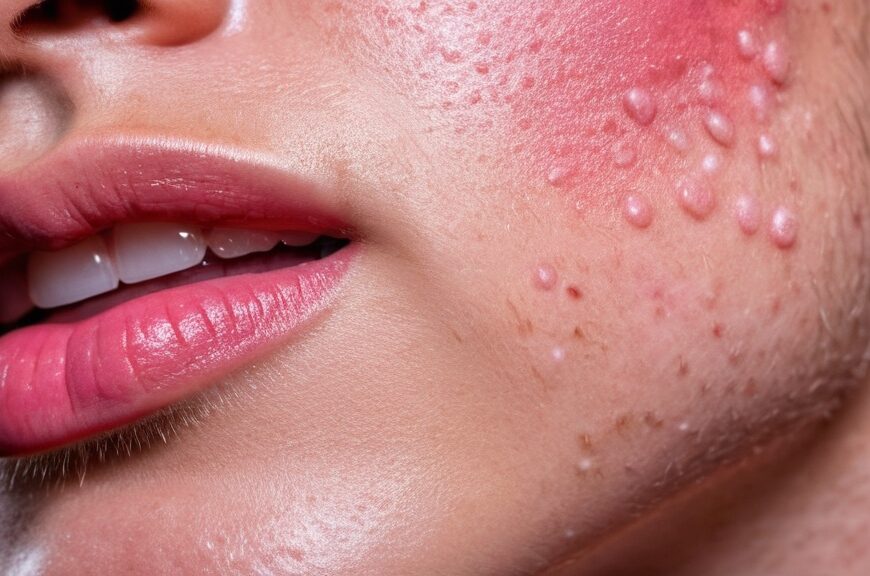
Have you ever wondered if that breakout is connected to your medication? Many people develop acne. Some medications can play a role. Let’s explore how steroids might affect your skin.
Steroids are powerful medications. Doctors use them for many reasons. They can reduce inflammation. They fight allergic reactions. They also suppress the immune system. There are two main types. This includes corticosteroids and anabolic steroids.
Corticosteroids
Corticosteroids mimic your body’s natural hormones. Think of cortisol, made by your adrenal glands. These synthetic versions help with swelling. Examples include prednisone and hydrocortisone. You might use them for asthma. They can also treat eczema.
Anabolic Steroids
Anabolic steroids are different. They build muscle mass. Athletes sometimes misuse them. They are not medically prescribed for acne. Their side effects can be severe. This is important to remember.
How Steroids Trigger Acne
Steroids can influence your skin. They affect oil glands. These glands produce sebum. Sebum is natural oil. Too much sebum can clog pores. This is a common acne trigger.
Increased Sebum Production
Certain steroids boost sebum production. This happens often with anabolic steroids. High androgen levels are the cause. Androgens are male hormones. They stimulate sebaceous glands. This leads to oilier skin.
Inflammation and Clogged Pores
Steroids can also cause inflammation. Inflammation makes acne worse. It can lead to red, swollen pimples. Bacteria can then infect clogged pores. This creates painful pustules. Your skin becomes more prone to breakouts.
Hormonal Imbalances
Steroids can disrupt your body’s hormones. This is especially true for anabolic steroids. They can mimic or alter natural hormone levels. These changes can directly impact your skin. They can promote acne development.
Types of Steroid-Induced Acne

Not all steroid acne looks the same. It can vary in appearance. Understanding the type helps manage it. Different steroids may cause different breakouts.
Acne Vulgaris
This is the most common acne. It includes blackheads and whiteheads. You might also see papules and pustules. This is typical when sebum production increases. It affects the face, chest, and back.
Steroid Acne Bromides
This term is rarely used now. It referred to acne from bromide salts. Bromides are not steroids. This confusion sometimes arose. Modern discussions focus on steroid effects.
Pustular and Nodular Acne
Some steroids cause more severe acne. This can include large, inflamed pustules. You may also develop painful nodules. These form deep under the skin. They take longer to heal.
Managing Steroid-Induced Acne
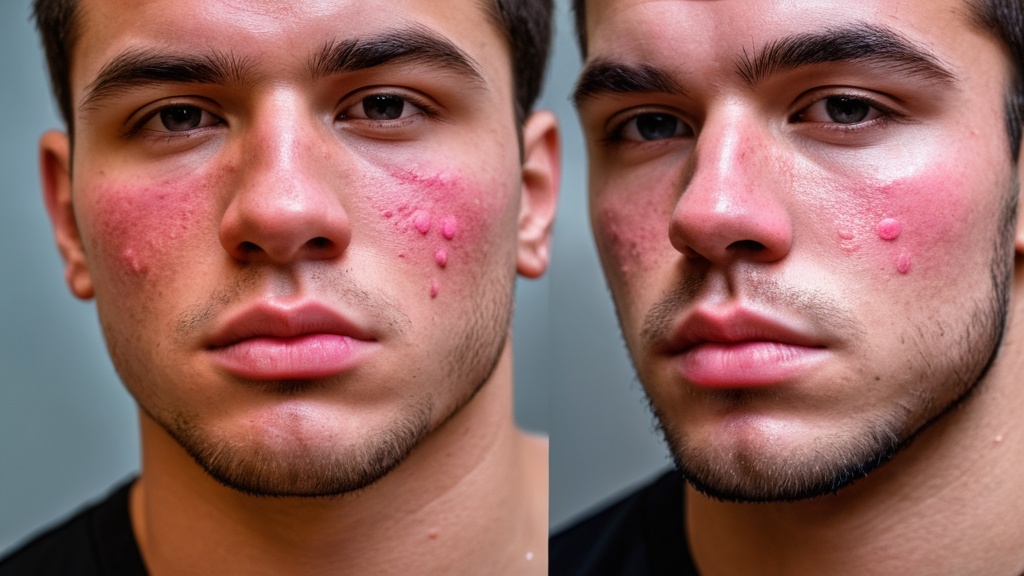
If steroids cause your acne, don’t despair. There are management strategies. It’s crucial to talk to your doctor. They can guide your treatment. Never stop prescribed medications abruptly.
Topical Treatments
Your doctor might suggest creams. These can include retinoids. Retinoids help unclog pores. They also reduce inflammation. Benzoyl peroxide is another option. It kills acne-causing bacteria.
Oral Medications
For more severe cases, pills may help. Antibiotics can reduce bacteria. They also fight inflammation. Hormonal therapies are sometimes used. These can rebalance your system. Accutane, or isotretinoin, is a strong option. It significantly reduces oil production.
Skincare Routine
A good skincare routine is vital. Wash your face gently twice daily. Use a mild, non-comedogenic cleanser. Avoid harsh scrubbing or picking. This can worsen inflammation. Keep your skin moisturized. Use oil-free products.
When to Seek Professional Help
| Effect | Percentage of Users |
|---|---|
| Increased acne | 50% |
| Severe acne flare-ups | 25% |
| Acne scarring | 10% |
It is always best to consult a healthcare provider. They can properly diagnose your acne. They understand medication side effects. They can tailor a treatment plan for you. Do not try to self-treat severe acne.
Consulting Your Doctor
Discuss your acne with your prescribing doctor. They know your medical history. They can assess if steroids are the cause. They can adjust your steroid dosage if possible. They may also refer you to a dermatologist.
Dermatologist’s Role
A dermatologist specializes in skin. They can identify acne types. They offer advanced treatment options. They can create a personalized plan. This ensures the best outcome.
Long-Term Skin Health
Managing steroid-induced acne requires patience. It can take time to see results. Maintaining a healthy lifestyle helps. Good skincare is a lifelong effort. Protect your skin from the sun. This prevents scarring and hyperpigmentation.
Sun Protection
Sun exposure can darken acne scars. It also increases inflammation. Always wear sunscreen. Choose an SPF of 30 or higher. This is even when it’s cloudy.
Healthy Diet and Hydration
A balanced diet supports skin health. Drink plenty of water. Hydration keeps your skin plump. Limit sugary drinks and processed foods. This may help reduce inflammation.
Stress Management
Stress can worsen acne. Find ways to manage stress. Exercise, meditation, or hobbies can help. Prioritize sleep for recovery. This allows your body and skin to heal.
Key Takeaways
Steroids can impact your skin. They often increase oil production. This leads to clogged pores. Different steroids cause varied acne types. Always talk to your doctor. They can guide your treatment. Gentle skincare is very important. Protect your skin long-term.
Steroid Acne is Treatable
Don’t feel alone with this issue. Many people experience it. Effective treatments are available. With professional guidance, clear skin is possible. Remember to be patient with your skin.
FAQs
What are steroids?
Steroids are a type of organic compound that can have a variety of effects on the body. In the context of this article, we are referring to anabolic steroids, which are synthetic variations of the male sex hormone testosterone.
How do steroids cause acne?
Steroids can increase the production of sebum, an oily substance that can clog pores and lead to acne. They can also stimulate the growth of skin cells, leading to the development of acne.
What are the effects of steroids on acne?
Steroids can exacerbate existing acne or trigger the development of new acne. This can manifest as increased severity of acne, more frequent breakouts, and difficulty in managing acne.
Can steroids cause permanent acne scarring?
In some cases, the severe and prolonged use of steroids can lead to permanent acne scarring. This is more likely to occur when steroids are used at high doses for an extended period of time.
How can steroid-induced acne be treated?
Treatment for steroid-induced acne may include topical or oral medications, such as retinoids, antibiotics, or isotretinoin. It is important to consult with a healthcare professional for personalized treatment recommendations.